

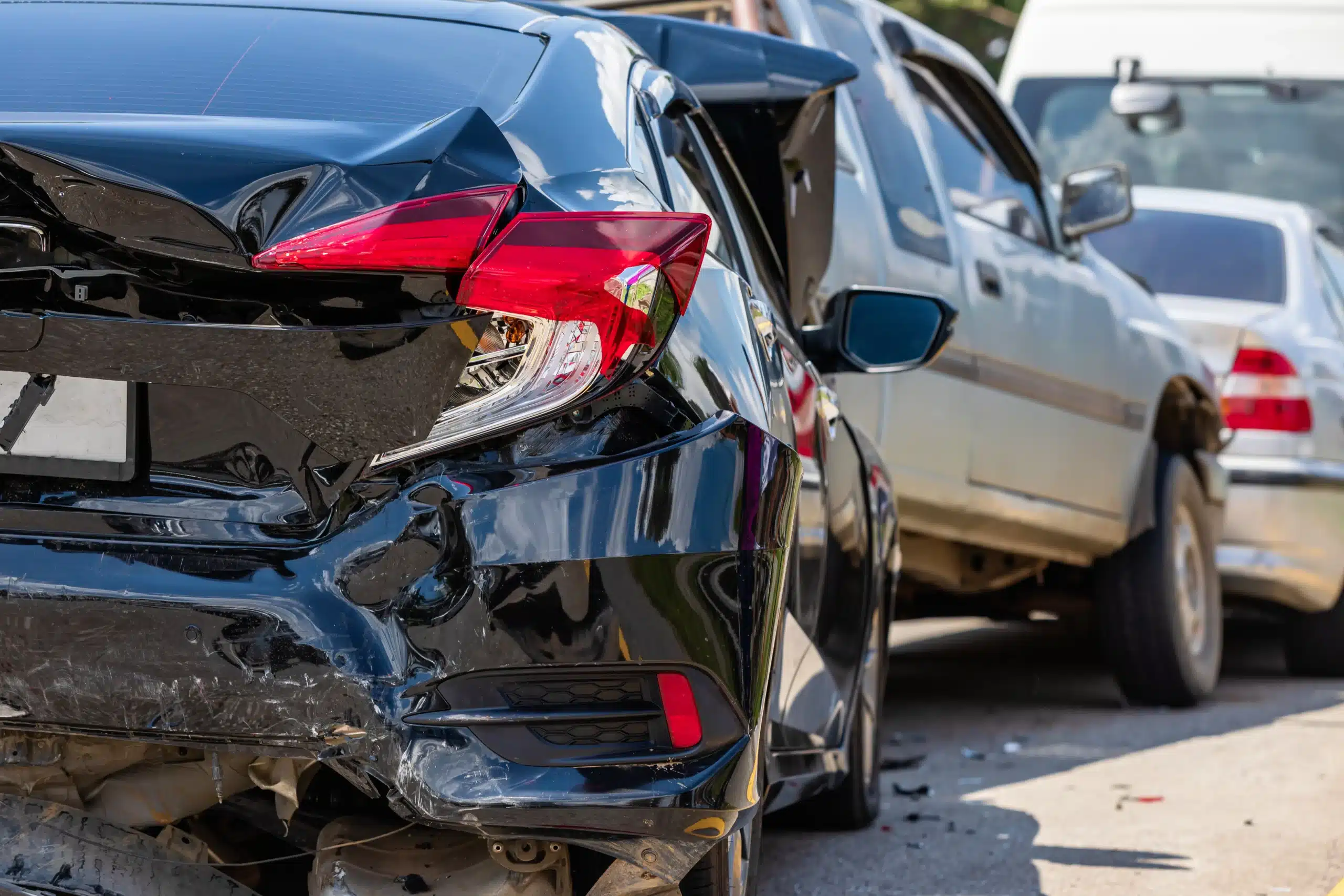
Rear-end car accidents are some of the most common crashes on Phoenix roads, from stop-and-go traffic on I-10 to crowded intersections along Camelback Road and Bell Road. Many drivers assume fault is automatic, but Arizona law—and what actually happened in the seconds before impact—can complicate liability. Understanding how fault is determined helps injured drivers protect their claims and avoid unfair insurance decisions.
In many situations, the driver who hits another vehicle from behind is presumed responsible. But that presumption can be challenged depending on the facts. Talking with a Phoenix car accident attorney early can help clarify how fault rules apply to your specific situation before the insurance company commits to a version of events that works against you.
GLG Personal Injury Lawyers works with Phoenix crash victims who are surprised to learn that rear-end accidents are not always as “open and shut” as they seem. Below is a clear breakdown of how fault is evaluated, when exceptions matter, and what steps help protect your claim after a rear-end collision.
Why Rear-End Accidents Are So Common in Phoenix
Phoenix traffic patterns contribute to a high number of rear-end crashes across Maricopa County. Rapid growth, constant construction, and long commute routes increase the chances of sudden slowdowns and abrupt stops.
Rear-end crashes are especially common on major corridors like I-10 near downtown and the Stack, along Loop 101 and Loop 202, where merging traffic compresses spacing, and on SR-51 during rush hour stop-and-go flow. Construction zones and high-volume surface street intersections also create frequent braking situations, which can trigger chain-reaction collisions involving multiple vehicles.
The General Rule of Fault in Rear-End Collisions
Arizona drivers have a legal duty to maintain a safe following distance and remain attentive to traffic. Because of that duty, the rear driver is often found at fault for failing to stop in time.
The logic is straightforward: drivers must control their speed to match traffic, anticipate typical slowdowns, and avoid following too closely. Insurance companies usually start with this assumption when evaluating rear-end claims, even before they review the full set of facts.
When the Front Driver May Share or Bear Fault
Even though the rear driver is often presumed responsible, fault can shift or be shared depending on what the front driver did. Arizona’s pure comparative negligence system allows responsibility to be divided between drivers, which means insurers frequently look for reasons to assign partial blame.
Situations where the front driver may share fault include sudden braking without a traffic-related reason, brake lights that aren’t working, unsafe lane changes directly in front of another vehicle, or reversing unexpectedly in traffic. For example, if someone cuts in on Loop 202 and slams the brakes without congestion ahead, the front driver may carry some responsibility for the collision.
Multi-Vehicle Rear-End Crashes in Phoenix
Rear-end accidents often involve more than two vehicles, particularly on freeways during peak traffic. Determining fault in these cases requires a closer look at what each driver did and the order of impacts.
Key questions often include which vehicle initiated the first impact, whether intermediate vehicles were pushed into others, whether any driver was following too closely, and how traffic conditions contributed to the chain reaction. In many multi-car crashes, more than one driver ends up partially at fault.
Arizona’s Comparative Negligence Rules and Rear-End Accidents
Arizona follows a pure comparative negligence system. That means a driver can still recover compensation even if they share fault—though the amount is reduced by their percentage of responsibility.
A driver found 10% at fault can still recover 90% of damages. The tradeoff is that shared fault reduces settlement amounts proportionally, and insurers often push partial fault arguments specifically to reduce payouts. Even small percentages can make a big difference financially.
Rear-End Accidents Involving Sudden Stops
Sudden stopping is one of the most common points of dispute in rear-end collisions. Drivers should anticipate normal traffic changes, but not every sudden stop is reasonable or defensible.
Disputes often arise when a driver stops abruptly to avoid missing a turn, slams the brakes to check a phone or adjust navigation, or engages in aggressive or intentional “brake checking.” In these cases, evidence matters a lot—especially witness accounts, dashcam footage, and any available surveillance video.
Rear-End Accidents at Phoenix Intersections
Intersections are a major hotspot for rear-end crashes, including along Indian School Road and 7th Street. These accidents often happen when traffic compresses quickly or drivers misjudge timing during signal changes.
Fault at intersections can be influenced by signal timing, yellow-light decisions, pedestrian crossings, and congestion caused by turning vehicles. Rear-end crashes at red lights often involve clearer liability, but yellow-light situations can be more complicated if drivers argue abrupt stopping or unsafe following.
Weather and Road Conditions in Phoenix
Phoenix is known for clear weather, but monsoon storms can change road conditions fast. Wet pavement reduces traction and increases stopping distance, especially after long dry periods when oil buildup makes roads slick.
Insurers may consider factors like reduced visibility during heavy rain, slick surfaces, and flash flooding on low-lying roads. Even so, drivers are still expected to adjust speed and following distance to match conditions.
Commercial Vehicles and Rear-End Crashes
Rear-end accidents involving delivery trucks or commercial vehicles introduce added complexity. These vehicles require longer stopping distances and may involve employer liability in addition to the driver.
Investigations often look at driver fatigue, maintenance history, employer training, logbooks, and delivery schedules. Depending on the facts, liability may extend beyond the driver to the company responsible for hiring, supervision, or vehicle upkeep.
Rear-End Accidents Involving Rideshare Vehicles
Phoenix has heavy rideshare traffic, and rear-end crashes involving Uber or Lyft can involve layered insurance coverage. Coverage depends on the driver’s status at the time of the crash.
Key issues include whether the driver was logged into the app, whether a ride had been accepted, and whether a passenger was present. Which policy applies can affect both settlement value and how long the claim takes.
Common Injuries From Rear-End Car Accidents
Rear-end collisions can cause serious injuries even at lower speeds. Insurance companies often downplay these injuries, but medical documentation tells the real story.
Common injuries include whiplash and soft tissue damage, herniated or bulging discs, concussions, shoulder and knee injuries, and flare-ups of pre-existing conditions. Symptoms often worsen days after the crash, which is why early medical evaluation matters.
Medical Timelines and Rear-End Accident Claims
Rear-end injury claims often depend on how treatment progresses, not just what you felt immediately after the crash. Many people don’t realize how quickly an insurer will use delays or gaps in treatment against them.
A typical treatment arc may include an initial evaluation and imaging in the first few days, conservative care like therapy in the first several weeks, ongoing care or injections over the following months, and—when needed—surgical discussions or long-term treatment after that. Settling before treatment stabilizes can limit compensation and leave people paying out-of-pocket later.
How Insurance Companies Evaluate Rear-End Claims
Insurance adjusters assess both fault and damages, and they often look for ways to reduce what they pay. In rear-end cases, they commonly review police reports, vehicle damage photos, medical records and billing, driver and witness statements, and prior injury history.
Adjusters may argue that injuries are minor, unrelated, or tied to pre-existing issues—especially when vehicle damage looks minimal or treatment starts late.
Why Police Reports Matter in Phoenix Rear-End Crashes
Crash reports frequently shape early fault decisions. Officers may document following distance concerns, traffic conditions, and what drivers said at the scene.
But police reports are not always complete or accurate. Missing details or errors can influence liability decisions, which is why supporting evidence—photos, witnesses, video, and consistent medical records—often matters as much as the report itself.

Steps to Take After a Rear-End Car Accident in Phoenix
What you do after a crash can directly affect fault findings and settlement value. The goal is to protect your health first and preserve evidence before it disappears.
Helpful steps include calling law enforcement, getting medical care promptly, photographing vehicle damage and road conditions, collecting witness contact information, and avoiding speculation about fault. Early documentation makes it harder for insurers to twist the facts later.
When Rear-End Accidents Lead to Disputes
Some rear-end cases become contested because the facts aren’t clear or the insurance company sees an opening to reduce payouts. Disputes are especially common when the front driver allegedly stopped suddenly, multiple vehicles are involved, damage appears minor, or injuries show up later.
When that happens, a thorough investigation becomes the difference between a fair result and a claim that gets minimized.
Rear-End Accidents and Maricopa County Courts
If a rear-end case escalates into litigation, it is typically filed in Maricopa County Superior Court. Insurers often factor in local jury tendencies, court scheduling, and trial risk when deciding whether to settle and for how much. The possibility of litigation can influence how aggressive (or reasonable) an insurance carrier becomes.
Why Rear-End Cases Are Not Always “Automatic”
Many rear-end crashes do result in clear liability, but assuming fault is automatic can backfire. Small details—traffic flow, braking behavior, vehicle condition, and video evidence—can shift the assignment of responsibility.
Understanding Arizona’s fault rules helps injured drivers respond strategically when insurers challenge liability or try to pin partial blame on them.
Protecting Your Rights After a Phoenix Rear-End Accident
Rear-end crashes can cause lasting injuries and financial stress even when the fault seems obvious. Arizona law allows recovery even when fault is shared, but insurers rarely explain that upfront—and they often use comparative negligence to reduce payouts.
If you were injured in a Phoenix rear-end collision and have questions about who is responsible, GLG Personal Injury Lawyers can help evaluate your situation and next steps. Speaking with a Phoenix rear-end car accident attorney can help you protect your claim, challenge unfair fault arguments, and pursue compensation that reflects the true impact of the crash.