

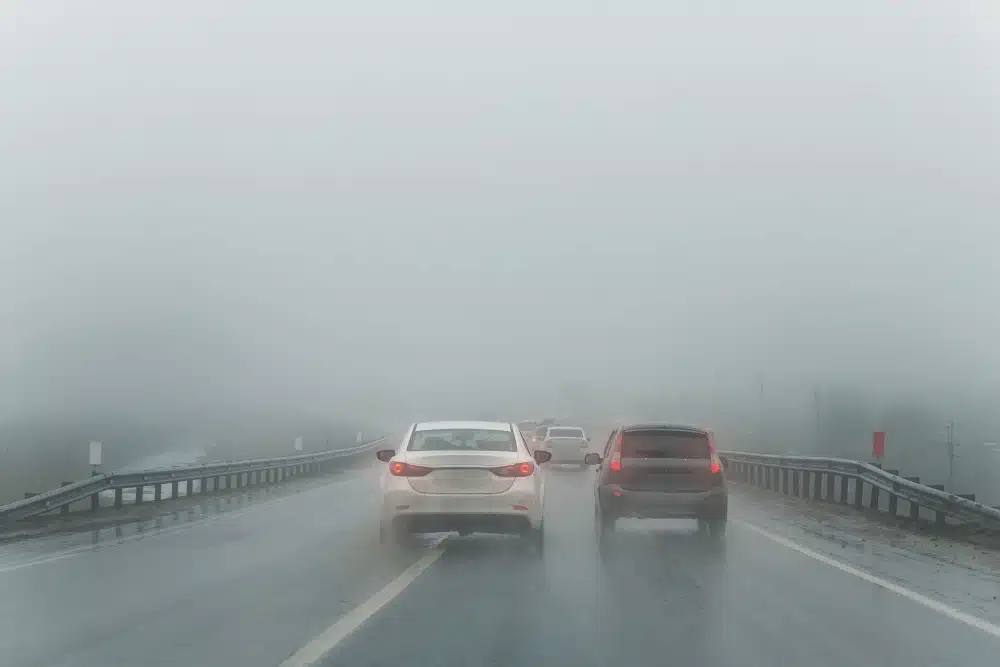
Arizona weather significantly contributes to vehicle collisions in Phoenix and across the state. Monsoon storms, dust storms, extreme heat, and sudden rain can drastically reduce visibility, damage vehicles, and create hazardous road conditions.
Many crashes occur when drivers fail to slow down, maintain safe distances, or adjust their driving during dangerous weather. When negligence during severe weather leads to a crash, injured victims may have the right to seek compensation with help from a car accident lawyer in Phoenix.
How Arizona Weather Contributes to Car Accidents
Arizona is famous for sunshine and warm temperatures, but the state’s weather can create serious driving hazards. Sudden monsoon storms, intense heat, dust storms, and flash flooding all contribute to car accidents throughout the Phoenix metro area every year.
Weather alone does not automatically cause accidents. Most collisions occur because drivers fail to adapt their driving behavior to changing road conditions. When drivers ignore weather risks, crashes become far more likely.
Understanding how Arizona weather contributes to accidents can help drivers stay safer on the road and recognize when negligence may have played a role in a collision.
Common Weather Conditions That Cause Car Accidents in Phoenix
Drivers in the Phoenix area regularly encounter weather hazards that can quickly turn routine travel into a dangerous situation.
Monsoon Storms
Arizona’s monsoon season typically runs from June through September. These storms can arrive suddenly and bring heavy rain, strong winds, lightning, and reduced visibility.
Rainfall during monsoon storms often leads to:
- Rear-end collisions
- Multi-vehicle crashes
- Intersection accidents
- Loss of vehicle control
Drivers who continue traveling at highway speeds during heavy rain often cannot see clearly or stop in time to avoid a collision.
Dust Storms (Haboobs)
Dust storms are among the most dangerous weather events in Arizona. High winds lift massive walls of dust that can reduce visibility to near zero in seconds.
These storms often create dangerous chain-reaction crashes when drivers continue traveling through limited visibility.
The Arizona Department of Transportation advises drivers to pull completely off the road, turn off their lights, and wait until the dust storm passes. Drivers who ignore these safety precautions may contribute to serious accidents involving multiple vehicles.
Extreme Heat
Phoenix regularly experiences temperatures above 110 degrees during the summer months. Extreme heat can damage vehicles and roadways, increasing the risk of mechanical failures.
High temperatures may cause:
- Tire blowouts
- Engine overheating
- Battery failure
- Brake system problems
When drivers fail to maintain their vehicles or ignore overheating warning signs, these mechanical issues can lead to dangerous crashes.
Flash Flooding
Arizona’s desert terrain cannot absorb heavy rainfall quickly. Monsoon storms can trigger flash floods that wash across roads and highways.
Drivers who attempt to cross flooded roads risk hydroplaning, losing control, or becoming stranded in dangerous water currents. Even a small amount of water can sweep a vehicle off the roadway.
Slippery Roads After Rain
Because rainfall is relatively rare in Phoenix, oil and debris build up on road surfaces over time. When rain begins, these substances mix with water, creating extremely slick conditions.
Drivers who fail to reduce speed or increase following distance during rainfall are more likely to lose traction and cause accidents.
Driver Responsibility During Dangerous Weather
Many drivers believe bad weather automatically excuses liability after a crash. However, Arizona law requires drivers to operate their vehicles safely regardless of weather conditions.
Drivers must adjust their behavior to account for road hazards and limited visibility.
This may include:
- Slowing down during rainstorms
- Increasing following distance
- Using headlights during low visibility
- Avoiding flooded roadways
- Pulling off the road during dust storms
When drivers ignore these precautions and cause a collision, they may still be considered negligent.
An accident lawyer in Phoenix, Arizona, can investigate whether another driver failed to adjust their driving during dangerous weather conditions.
Types of Weather-Related Car Accidents
Weather hazards in Arizona often lead to several common types of collisions.
Multi-Vehicle Pileups
Dust storms and sudden rainstorms frequently cause chain-reaction crashes. Drivers may not see stopped vehicles until it is too late.
These accidents often involve numerous vehicles and severe injuries.
Rear-End Collisions
Reduced visibility and slippery roads increase the likelihood of rear-end crashes. Drivers who follow too closely may not have enough time to stop when traffic slows suddenly.
Rollover Accidents
Strong winds, sudden braking, or abrupt steering corrections during storms can cause vehicles to roll over, especially SUVs and trucks.
Intersection Accidents
Rain and poor visibility can make it difficult to see traffic signals or judge distances. Drivers may run red lights or fail to yield, leading to intersection collisions.
How Weather-Related Car Accidents Are Investigated
Determining the cause of a weather-related crash requires a detailed investigation. A Phoenix, AZ auto accident attorney may review several forms of evidence to establish liability.
Important evidence may include:
- Police accident reports
- Weather records from the day of the crash
- Traffic camera footage
- Dashcam recordings
- Witness statements
- Vehicle damage analysis
This evidence helps determine whether a driver failed to adjust their behavior to dangerous weather conditions.
Arizona’s Comparative Negligence Law
Arizona follows a pure comparative negligence rule. This means multiple parties can share responsibility for a crash.
Even if the weather contributed to the accident, a driver may still be liable if they acted negligently.
For example, if a driver was speeding during a rainstorm and caused a collision, they may still be responsible for damages.
Under comparative negligence rules, injured victims may recover compensation even if they are partially at fault. Their compensation is reduced by their percentage of responsibility.
A car wreck attorney in Phoenix can help evaluate the circumstances of a crash and determine whether compensation may still be available.
Compensation Available After a Weather-Related Car Accident
When negligence causes a crash during severe weather, injured victims may be entitled to financial compensation.
Common damages in Phoenix car accident cases include:
- Medical expenses
- Emergency medical treatment
- Surgery and rehabilitation costs
- Lost wages and loss of earning capacity
- Pain and suffering
- Property damage
- Long-term disability expenses
Serious crashes during dust storms or monsoon rain frequently lead to injuries such as traumatic brain injuries, spinal cord damage, and fractures.
How a Car Accident Lawyer in Phoenix Can Help
Weather-related crashes can be complicated because insurance companies often claim that weather—not negligence—caused the accident.
In reality, many collisions happen because drivers fail to adjust their behavior to hazardous conditions.
A car accident lawyer in Phoenix can help by:
- Investigating the accident
- Gathering weather and road condition evidence
- Identifying negligent drivers
- Negotiating with insurance companies
- Calculating full damages
- Representing victims in court when necessary
Legal representation can be especially important in multi-vehicle accidents or crashes where liability is disputed.
Safety Tips for Driving During Arizona Weather
Drivers can reduce their risk of weather-related accidents by taking precautions when conditions become dangerous.
Helpful safety tips include:
- Slow down during rain or dust storms
- Maintain greater following distance
- Avoid driving through flooded roads
- Pull off the road during dust storms
- Check tire pressure and vehicle maintenance during extreme heat
- Use headlights during low visibility
These precautions can significantly reduce accident risks during Arizona’s severe weather events
FAQs
Can bad weather excuse a driver from liability after a car accident in Arizona?
No. Drivers must still operate their vehicles safely during dangerous weather conditions. If a driver fails to slow down or adjust their driving behavior, they may still be held responsible for damages.
What should I do after a weather-related car accident in Phoenix?
Seek medical attention immediately, report the crash to law enforcement, document the accident scene if possible, and speak with a Phoenix, AZ auto accident attorney before discussing the case with insurance companies.
Are dust storms a common cause of accidents in Phoenix?
Yes. Dust storms frequently cause multi-vehicle crashes because visibility can drop to near zero within seconds.
Can I recover compensation if the weather played a role in my accident?
Yes. Arizona’s comparative negligence law allows injured victims to recover damages even when the weather contributed to the accident, as long as another driver’s negligence was involved.
When should I contact a car wreck attorney in Phoenix?
It is best to contact an attorney as soon as possible after a crash. Early legal guidance helps preserve evidence and protect your ability to pursue compensation.