
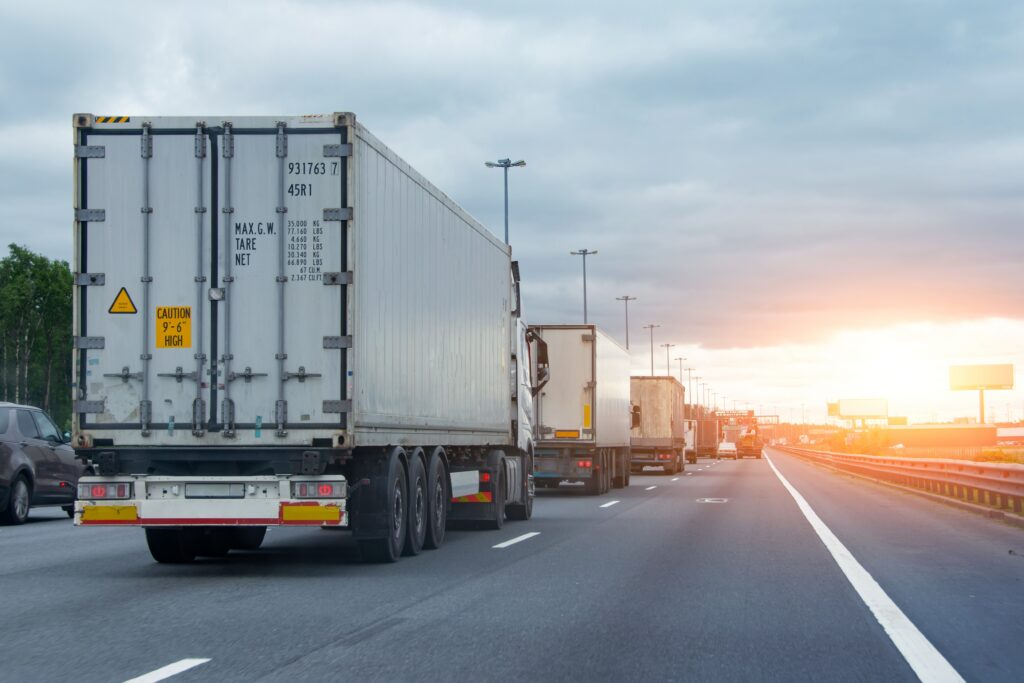
Commercial truck accidents in Arizona often involve more than just the driver and the trucking company. In many serious crashes, mechanical failure plays a central role. When brakes fail, tires blow out, steering systems malfunction, or lights do not operate properly, the underlying cause may be improper maintenance. In these cases, a third-party maintenance provider may share liability. Understanding how third-party maintenance liability works in Arizona truck accident claims is essential for injured victims seeking full compensation under state law.
What Is Third-Party Maintenance Liability?
Third-party maintenance liability arises when a company hired to inspect, service, or repair a commercial truck fails to perform its duties properly and that failure contributes to a crash. Many trucking companies outsource maintenance to specialized repair vendors rather than maintaining in-house service departments. When those vendors act negligently, they may be held legally responsible for resulting injuries.
In Arizona truck accident litigation, identifying all responsible parties is critical because commercial policies often involve multiple layers of insurance coverage. If mechanical failure contributed to the collision, maintenance contractors may be named as key defendants. It is important to talk with an experienced truck accident attorney in Phoenix to learn about your rights after the accident.
Common Mechanical Failures in Arizona Truck Accidents
Mechanical defects frequently contribute to catastrophic commercial vehicle crashes. Some of the most common maintenance-related failures include brake system malfunctions, tire blowouts, steering system defects, lighting failures, and coupling device failures.
Brake failures are among the most dangerous mechanical issues. Commercial trucks require longer stopping distances than passenger vehicles. If brake pads are excessively worn, air brake systems are improperly calibrated, or hydraulic components leak, the truck may not stop in time to prevent a collision.
Tire blowouts also pose a significant risk. Improper tire inspection, underinflation, overinflation, or failure to replace worn tires may result in sudden tire separation at highway speeds. In Arizona’s extreme heat conditions, tire integrity is especially critical. Maintenance providers are expected to monitor tire wear and ensure compliance with manufacturer standards for tire inflation.
Steering system malfunctions may result from improper inspection of linkage components, hydraulic system leaks, or failure to identify worn steering assemblies. When steering response is compromised, a driver may lose control during lane changes or emergency maneuvers.
Lighting failures are another common issue. Non-functioning brake lights, turn signals, or reflective markers can prevent other motorists from recognizing a truck’s intentions to move. Federal regulations require adequate lighting and reflective tape to ensure visibility.
Coupling device failures occur when the connection between the tractor and trailer is improperly secured or inadequately maintained. A trailer detachment at highway speed can cause devastating multi-vehicle crashes.
Federal Regulations Governing Truck Maintenance
Commercial truck maintenance is regulated under the Federal Motor Carrier Safety Regulations (FMCSRs). These federal standards apply to interstate carriers operating within Arizona and require systematic inspection, repair, and maintenance of commercial motor vehicles.
Under federal regulations, carriers must maintain records documenting periodic inspections and repairs. Drivers must conduct pre-trip and post-trip inspections to identify mechanical defects. Any discovered defect that could affect safety must be repaired before the vehicle returns to service.
Third-party maintenance providers must perform repairs in accordance with industry standards and applicable federal safety requirements. Failure to comply with FMCSR maintenance requirements may constitute evidence of negligence in an Arizona truck accident claim.
How Maintenance Companies Become Liable
To establish third-party maintenance liability in Arizona, a claimant must generally prove that the maintenance provider owed a duty of care, breached that duty, and caused damages.
Duty of care exists when a repair company agrees to inspect or service a commercial vehicle. The breach occurs when the provider fails to perform repairs competently or neglects to identify obvious safety defects. Causation requires showing that the maintenance failure directly contributed to the accident.
For example, if a brake inspection was performed but worn brake pads were not replaced despite visible deterioration, and brake failure later contributed to a rear-end collision, the maintenance provider may be liable.
Arizona follows a fault-based system with pure comparative negligence. This means liability may be divided among the truck driver, the carrier, and the maintenance contractor, depending on each party’s contribution to the crash.
Evidence Used to Prove Maintenance Negligence
Maintenance-related truck accident claims require detailed documentation. Key evidence may include service invoices, repair orders, inspection logs, driver vehicle inspection reports, and internal maintenance schedules. Electronic logging device data may indicate whether inspections were completed prior to departure.
Expert mechanical engineers often examine damaged components to determine whether failure resulted from improper maintenance or normal wear. If maintenance documentation reveals skipped inspections or incomplete repairs, that evidence strengthens a negligence claim.
Accident reconstruction specialists may analyze skid marks, brake distances, and vehicle dynamics to determine whether a mechanical malfunction contributed to the crash sequence.
Shared Liability in Arizona Truck Accident Cases
Truck accident litigation frequently involves multiple defendants. In a maintenance-related crash, liability may include the driver for failing to identify defects during required inspections, the trucking company for negligent hiring or oversight of maintenance contractors, and the repair vendor for improper service.
Arizona’s comparative negligence system permits courts or juries to apportion fault among parties. Even if multiple parties share responsibility, injured victims may recover damages reduced by their own percentage of fault.
Identifying all responsible parties is critical, as commercial carriers often carry substantial insurance limits. Maintenance vendors may maintain separate liability policies, which can increase the total amount of recoverable damages.
Challenges in Third-Party Maintenance Claims
Maintenance companies often argue that the trucking carrier bears ultimate responsibility for vehicle safety. They may claim that drivers ignored warning signs of malfunction or that defects developed after service was completed.
Additionally, maintenance contracts sometimes include indemnity clauses that attempt to shift liability. Courts evaluate these agreements carefully and do not automatically shield negligent service providers from liability.
Another challenge involves proving causation. Mechanical failures must be clearly linked to the crash. If the failure resulted from the accident rather than causing it, liability may not attach to the maintenance provider.
Statute of Limitations in Arizona Truck Accident Cases
Under Arizona law, injured victims generally have two years from the date of the accident to file a personal injury lawsuit. Because maintenance records may be altered, lost, or destroyed over time, early investigation is critical. Preservation letters may be necessary to prevent spoliation of evidence.
Frequently Asked Questions
Can a maintenance company be sued separately from the trucking company?
Yes. If negligent repairs contributed to the accident, the maintenance provider may be named as a defendant.
What if the trucking company hired the maintenance contractor?
Both parties may share liability depending on the extent of oversight and contractual responsibilities.
Do federal regulations apply to maintenance providers?
Yes. FMCSR standards govern the inspection and maintenance of commercial vehicles engaged in interstate commerce.
How do I prove a mechanical defect caused the crash?
Expert analysis, maintenance records, and accident reconstruction are typically required.
Does Arizona comparative negligence apply in truck accident cases?
Yes. Fault may be divided among multiple parties under Arizona’s pure comparative negligence rule.
Speak With a Phoenix Truck Accident Lawyer Today
Truck accidents involving mechanical failure require careful investigation of maintenance practices, regulatory compliance, and service records. Third-party repair companies may bear significant responsibility when negligent inspections or repairs contribute to a crash. Because multiple parties may share liability, identifying every responsible entity is essential to maximizing recovery. If you were injured in a commercial truck accident in Arizona, understanding potential third-party maintenance liability can significantly affect your claim. Consulting with experienced legal counsel from GLG Personal Injury Lawyers ensures that maintenance records are preserved and properly evaluated in accordance with Arizona law.